Yoshikawa Yasaka Festival
7/18(土) 〜 7/19(日)
Around Yasaka Shrine, Hiranuma, Yoshikawa City, Saitama Prefecture
A summer festival with over 400 years of history in Yoshikawa City, Saitama Prefecture. Held to pray for protection from epidemics, business prosperity, and abundant harvests, the highlight is the 'abare mikoshi' (wild portable shrine) where mikoshi are tossed high into the air to the rhythm of Yoshikawa Jinku folk song. On the second evening, all nine mikoshi gather for a spectacular 'Mikoshi Kyoen' (mikoshi competition) where they are simultaneously hoisted, thrilling approximately 40,000 spectators. Day 1 features a morning ceremony, children's mikoshi, and float processions; Day 2 progresses from the mikoshi procession to the climactic Mikoshi Kyoen. Icho-dori and surrounding areas become pedestrian zones, with food stalls at Yoshikawa Elementary School grounds. A stamp rally (visit all 10 stations, first 400 receive a wooden plaque souvenir) is also popular.。
infoThis information was collected and summarized by AI from public sources.
photo_cameraCommunity Posts
No posts yet
Be the first to share a photo or video
Access & Location
⚠️ Dates and locations are subject to change. Please also check the reference site for details.
Address
Around Yasaka Shrine, Hiranuma, Yoshikawa City, Saitama Prefecture
Official Information
https://www.city.yoshikawa.saitama.jp/index.cfm/26,99861,226,845,htmlGet Ready
Prepare for this festival
PR一休.com / じゃらん遊び・体験


Event Info
auto_awesomeHighlights
expand_more
The main highlight is the 'Mikoshi Kyoen' on the second evening. All nine mikoshi gather and are tossed into the air to the Yoshikawa Jinku folk song in a spectacular 'abare mikoshi' display. Photographers travel from afar to capture the scene. Day 1 features children's mikoshi and float processions, food trucks at Yoshikawa Shrine, and a morning glory market at Musashino Bank parking lot.
history_eduHistory & Origins
expand_more
Originated in 1575 (Tensho 3) when Yanada Mochisuke, a Hojo clan retainer, received a vermilion seal letter to establish a market, and a divine spirit from Kyoto's Yasaka Shrine was enshrined. In 1602 (Keicho 7), the first mikoshi was created when Yoshikawa-juku was established as a separate village. The current mikoshi is the second generation, rebuilt in 1853 (Kaei 6).
event_repeatPast Editions
expand_more
Originated in 1575 when a vermilion seal letter to establish a market was received and a divine spirit from Kyoto's Yasaka Shrine was enshrined. The first mikoshi was created in 1602 when Yoshikawa-juku was separated. The current mikoshi is the second generation from 1853. The festival has been held annually in mid-July for over 400 years. 2020-2021 were canceled due to COVID-19, 2022 was a reduced event for related parties only. Fully revived in 2023. About 40,000 spectators attend the evening festival, making it Yoshikawa City's largest celebration.
directionsAccess
expand_more
About 10 minutes walk from Yoshikawa Station on the JR Musashino Line (Icho-dori venue for Mikoshi Kyoen is about 8 minutes walk). No dedicated parking. Bicycle parking available at NTT Yoshikawa Building, Yoshikawa Elementary School grounds, and Yoshikawa Children's Park.
groupsCrowd Forecast
expand_more
A large-scale festival with about 40,000 visitors. The Mikoshi Kyoen on the second evening (20:00-21:00) is the most crowded. Entry restrictions have been imposed at the food stall area in the past, so early arrival is recommended. The float procession on Day 1 (16:00-19:00) can be enjoyed more leisurely.
hotelBook a hotel in 埼玉県 吉川市 earlyPRchecklistTips & What to Bring
expand_more
During the Mikoshi Kyoen, it is extremely dangerous to approach the carriers. Always watch from the sidewalk and never step into the road. Food vendors are at Yoshikawa Elementary School grounds; food trucks are at Yoshikawa Shrine. Bring heat protection measures.
Visitor Report
The Mikoshi Kyoen on the second evening surpasses expectations in intensity. The abare mikoshi are thrown surprisingly high into the air, with the carriers' spirited shouts enveloping the entire venue. Many photographers travel from afar specifically to capture the scene, and among festival enthusiasts it is renowned as a must-see celebration. The food stall area at Yoshikawa Elementary School gets extremely crowded, with past editions even requiring entry restrictions. The event attracts families, couples, and festival enthusiasts alike. Daytime children's mikoshi and float processions have a relaxed atmosphere, but once the evening competition begins, the energy surges dramatically as approximately 40,000 spectators erupt in cheers. A premier Saitama summer festival where 400 years of tradition can be felt firsthand.
* Compiled from multiple websites and social media sources.
Threads
forumThreads
No threads yet
Be the first to ask a question or share info!
Nearby Events
Koshigaya Fireworks Festival
placeKasai Canal Nakadote, east side of Koshigaya Chuo Shimin Kaikan, 4-1-1 Koshigaya, Koshigaya City, Saitama Prefecture
Shikishima Shrine Festival
placeShikishima Shrine, 1-17-1 Naka-Muneoka, Shiki City, Saitama Prefecture
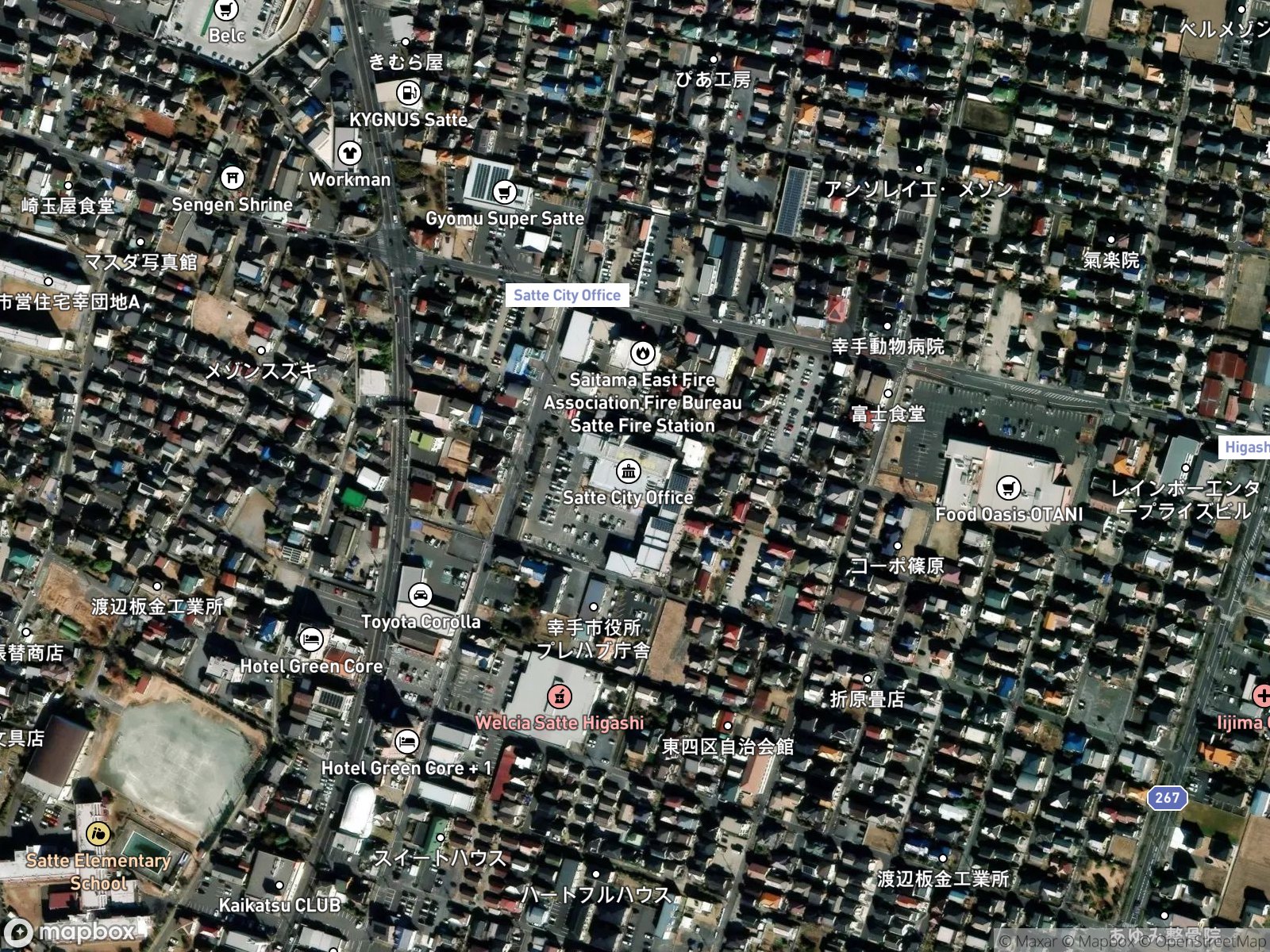
Satte Summer Festival (Yasaka Summer Festival)
placeAround Yasaka Shrine, Satte City, Saitama Prefecture
Trending in Saitama
See moreAgeo Summer Festival 2026
placeAgeo Station East Exit Square and Old Nakasendo, Ageo City, Saitama Prefecture
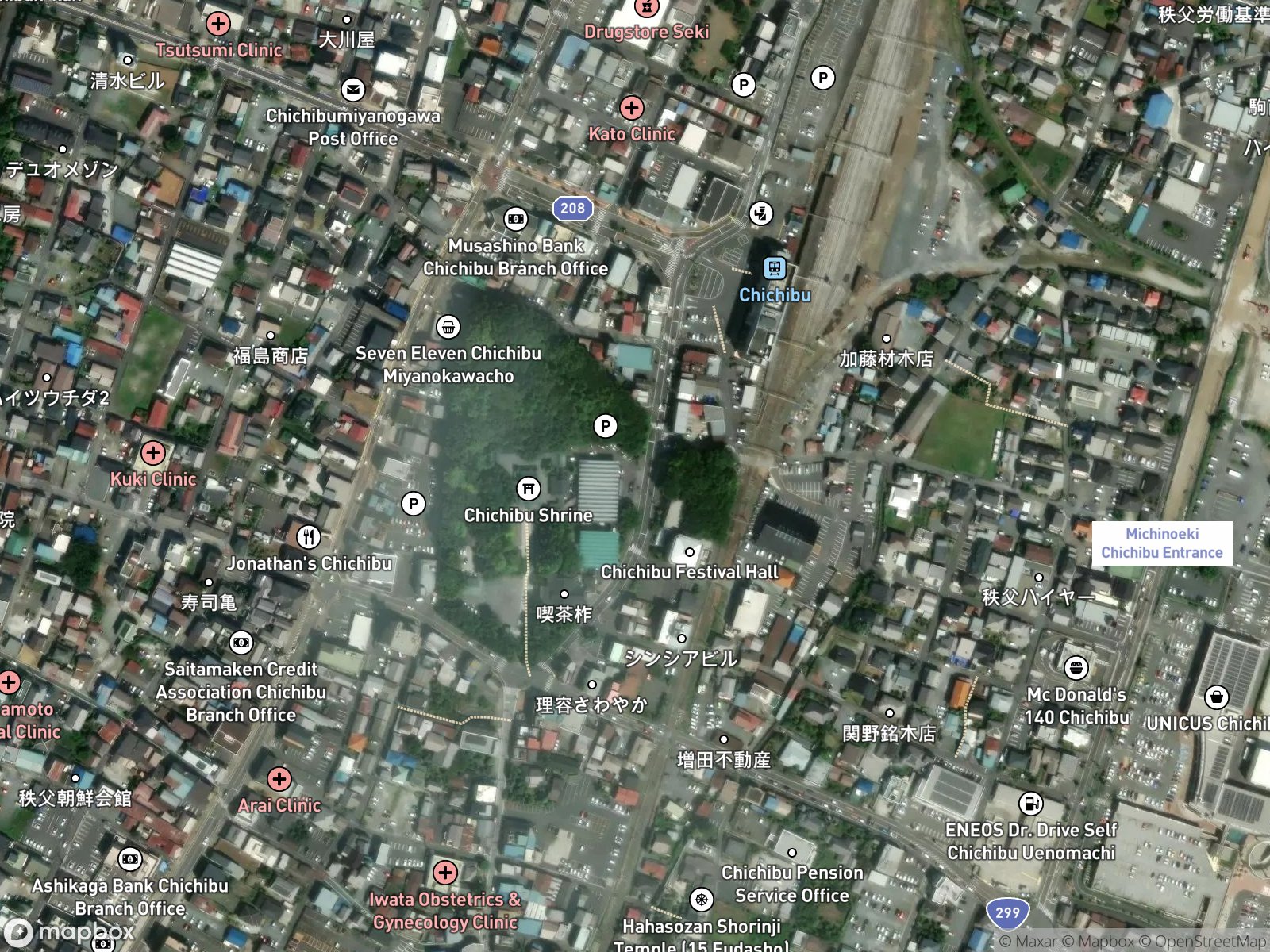
Chichibu Kawase Matsuri (River Festival)
place1-3 Banbacho, Chichibu, Saitama (Chichibu Shrine)
Hasuda Sunflower Festival
placeNear 694 Negane, Hasuda City, Saitama Prefecture
* This site participates in affiliate programs